Teton Science
Teton Science Schools Expands Place Network to Help Schools Connect Learning, Community, and Student Voice
At a time when many students feel disconnected from school and educators face mounting pressures, communities are looking for new ways to make learning more meaningful. The answer may be closer than we think: in the neighborhoods, landscapes, histories, and local challenges that surround students every day.
All Points North Foundation’s grant to Teton Science Schools (TSS) will expand its Place Network program to three schools in downtown Detroit, rural Wyoming, and rural Minnesota. The collaborative program is designed to help schools connect their students’ education directly to their local communities. Currently, 23 schools (including 16 middle schools) have activated place-based learning, with hundreds of educators and thousands of students strengthening their communities through environmental stewardship and cultural and economic well-being.
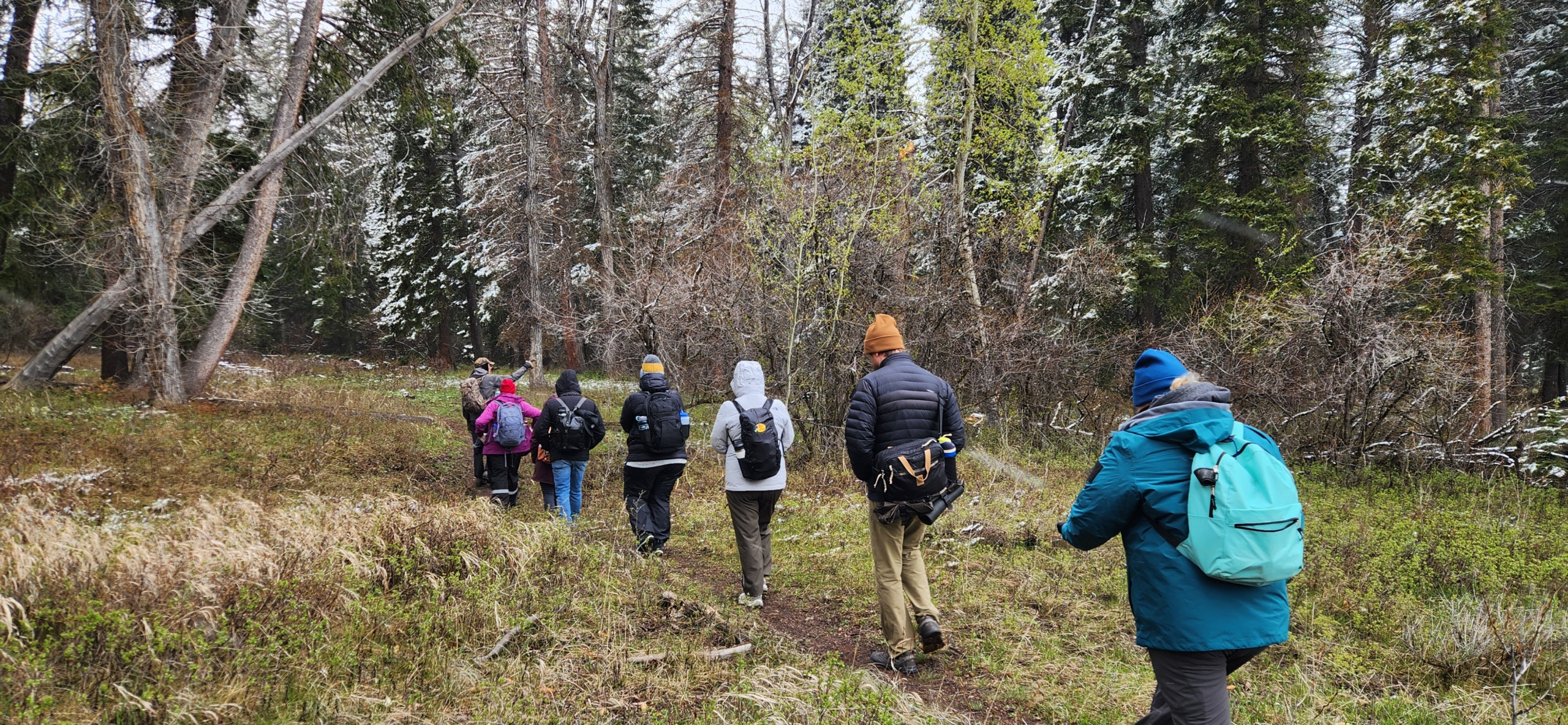
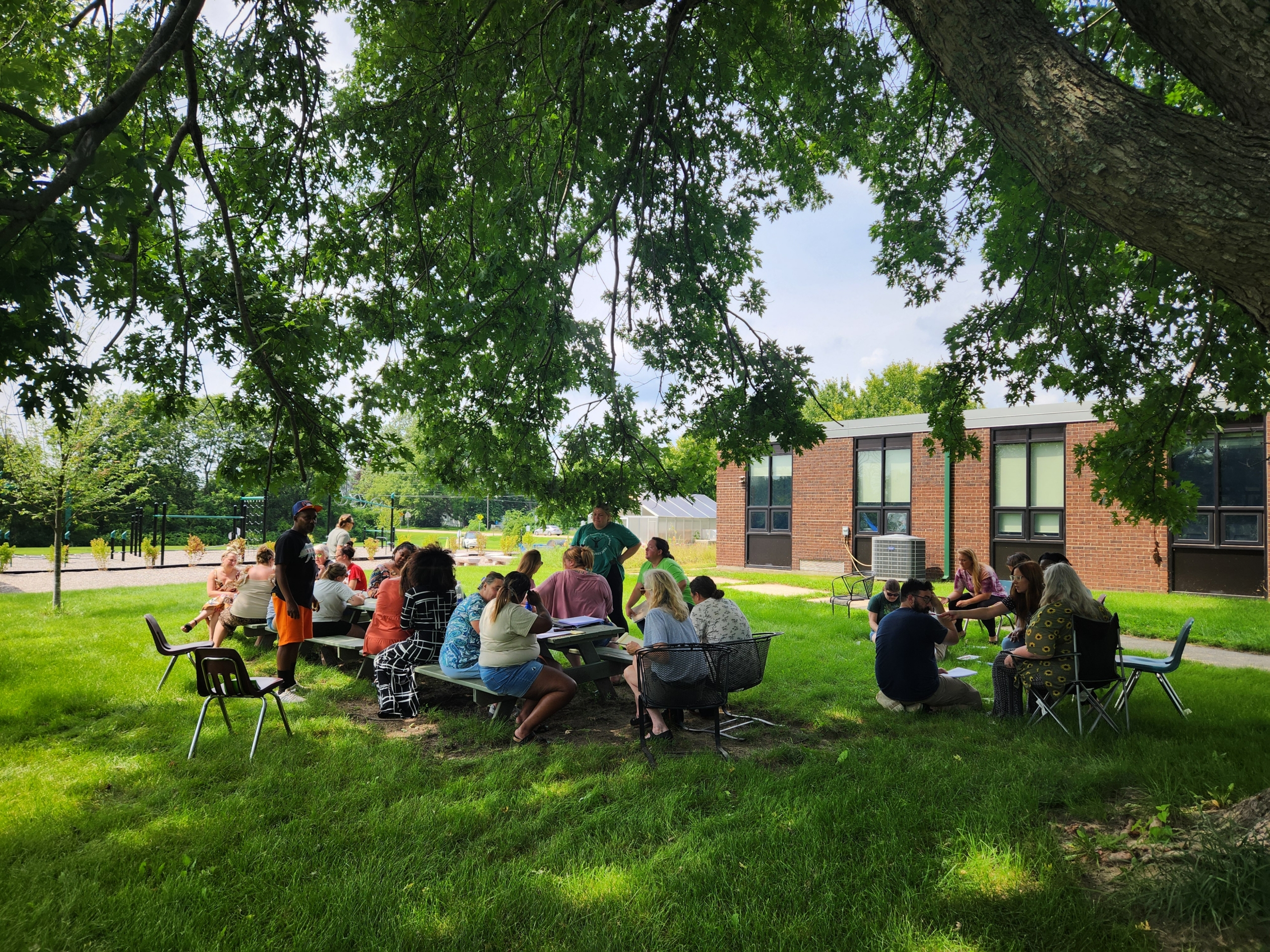
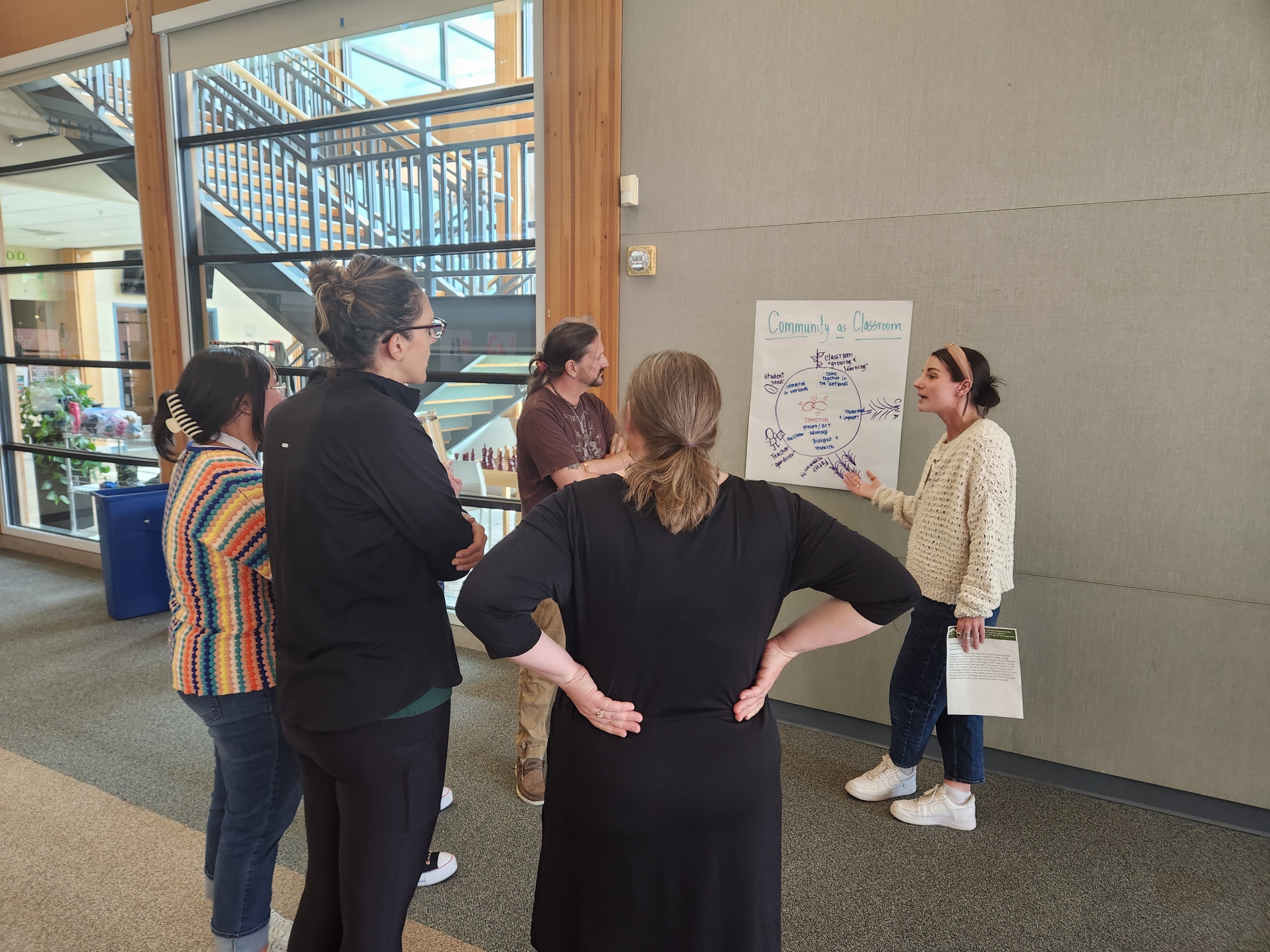
Rooted in four core elements and seven strategies, the place-based model embraces learner-centered practices, integrating content and place, community impact (including inquiry, design thinking, and project-based learning), and community as classroom. Place Network provides professional learning, ongoing instructional and leadership coaching, curriculum resources, and technical support to schools.
Teachers develop their capacity to apply all elements of TSS’s Learning Framework but adopt one strategy as their entry point to focus on for the year. Teachers take what they know best – their own community and personal experiences – and make that the center of the lesson. Schools simultaneously build capacity across all strategies to ensure that place-based education is woven seamlessly into the school’s vision, which is critical to sustainable impact.
TSS’s Place Network educational model comes at an unprecedented time when the education landscape is navigating pandemic-related disruptions in early learning, socialization, and emotional development; teacher shortages, especially in rural communities; and educator burnout. Students also voice growing disinterest and disengagement from school, often missing the relevance and real-world connection.
Yet despite these pressures, teachers continue to help students succeed and place-based education provides a promising path forward. The evidence for this innovative approach is clear: students are inspired and engaged, educators are reporting their own stronger well-being, and schools are strengthening their connections with communities. With place-based education, the lasting benefits ripple throughout the learning ecosystem of students, educators, and communities.
For more information: www.tetonscience.org
All Points North Foundation
Sign Up to Receive Updates
All Points North Foundation provides grants for U.S.-based projects and initiatives that support our priorities: improving public middle school education and teacher training, and implementing effective solar programs and/or projects.
Have a U.S.-based project you’d like to discuss?